Amarok and Rhythmbox are close. Most players you’ll find are less on the media management side as they want to be low-profile, where Musicbee seems to intentionally be both.
Edit: There’s Strawberry as well, which is cross platform


Amarok and Rhythmbox are close. Most players you’ll find are less on the media management side as they want to be low-profile, where Musicbee seems to intentionally be both.
Edit: There’s Strawberry as well, which is cross platform


Just to help her: what do you think PopOS is going to give you that Fedora will not?
Did you perhaps receive an unattended upgrade to Frigate?
What else is using resources if you stop Frigate for 15m. Give me a general picture of the system resources and CPU as well. It’s Intel, obviously, but what’s the whole system look like?
So just…turn them off.
If you didn’t know, detection runs all the time for anything of this sort unless you have what we call “predetection filters”.
If you don’t have predetection on video, EVERYTHING gets evaluated. So you pare down what is to be detected by certain, faster events.
Motion detection is probably the most basic because it’s done very quickly in software, and almost certainly by ffmpeg, costing very little in system resources.
If your machine is struggling with however many feeds you have, do this:
That should sort you out.


It’s not for long term anything at all, it’s just running a live distro to poke around.
This is why I asked my second question: what kind of things are you looking to check out or compare? That’s helpful in pointing you in the right direction.
If you’re unfamiliar, there is literally almost zero difference between distros aside from very tiny customizations and the underlying package management system.
You won’t find some distro with massive performance gains for any average task. You also won’t find a distro with some optimization that is special that can’t also be applied to any other distro.
So if you find something you like about one distro, you just put that on whatever you’re running (unless you’re talking about package mgmt). Easy Peasy.


Ventoy or LiveUSB if you just want to poke around. There honestly isn’t much difference between all distros anymore aside from package management, and that is somewhat being a bit pushed aside due to portable package distribution.
What exactly are you hoping to find or test?
Removed by mod


You just need ffmpeg. Literally the industry standard, and you don’t need dress a pig up with slop BS.
Here’s an example: https://github.com/Jpja/FFmpeg-Detect-Copy-Motion
Tons of tutorials out there.
Comes here to rant about something…
Doesn’t even understand what he’s ranting about 🤣
Wanna give some details here, chief? Maybe someone can actually let you know what’s going on or fix it. What DE are you on, first of all?
Nah, dawg. Nah.


Pretty sure it’s just a software selection thing. You can build this very easily on your own now, but I would skip Ubuntu at this time for various.
Fedora is probably the easier to build custom distro images with. Checkout osbuilder, blue-build, or the Fedora docs.


What made this distro distinctive, and for what features?


The KVM is the most likely culprit. Remove it from the equation for awhile and see what happens.


If you’re ever present or have remote access to her network, make sure sshd is enabled, and try to SSH into it to see what happens.
Q’s:
dmesg output (needs to happen during the event, but the machine is still accessible - hence ssh above)

You don’t. That comment was misinformed. No idea where they heard that from.


We’re all running high performance games through the same thing all the time now. Benchmarks best Windows in most cases.
You’ll be more than fine.


Wine, Bottles, Lutris…etc
Edit: this was a different kind of solution someone else sent me: https://medium.com/@pascalwhoop/how-to-get-lightroom-running-on-linux-with-webassembly-and-nativefier-a69dd9d9f647
I got it working under both Wine and Bottles for someone that needed it, but it was a real pain in the ass, and the reports on actually successfully doing so are hit or miss.
Found this solid write up on various options and results though, which sounds like it could be helpful for you while investigating: https://gist.github.com/eylenburg/38e5da371b7fedc0662198efc66be57b
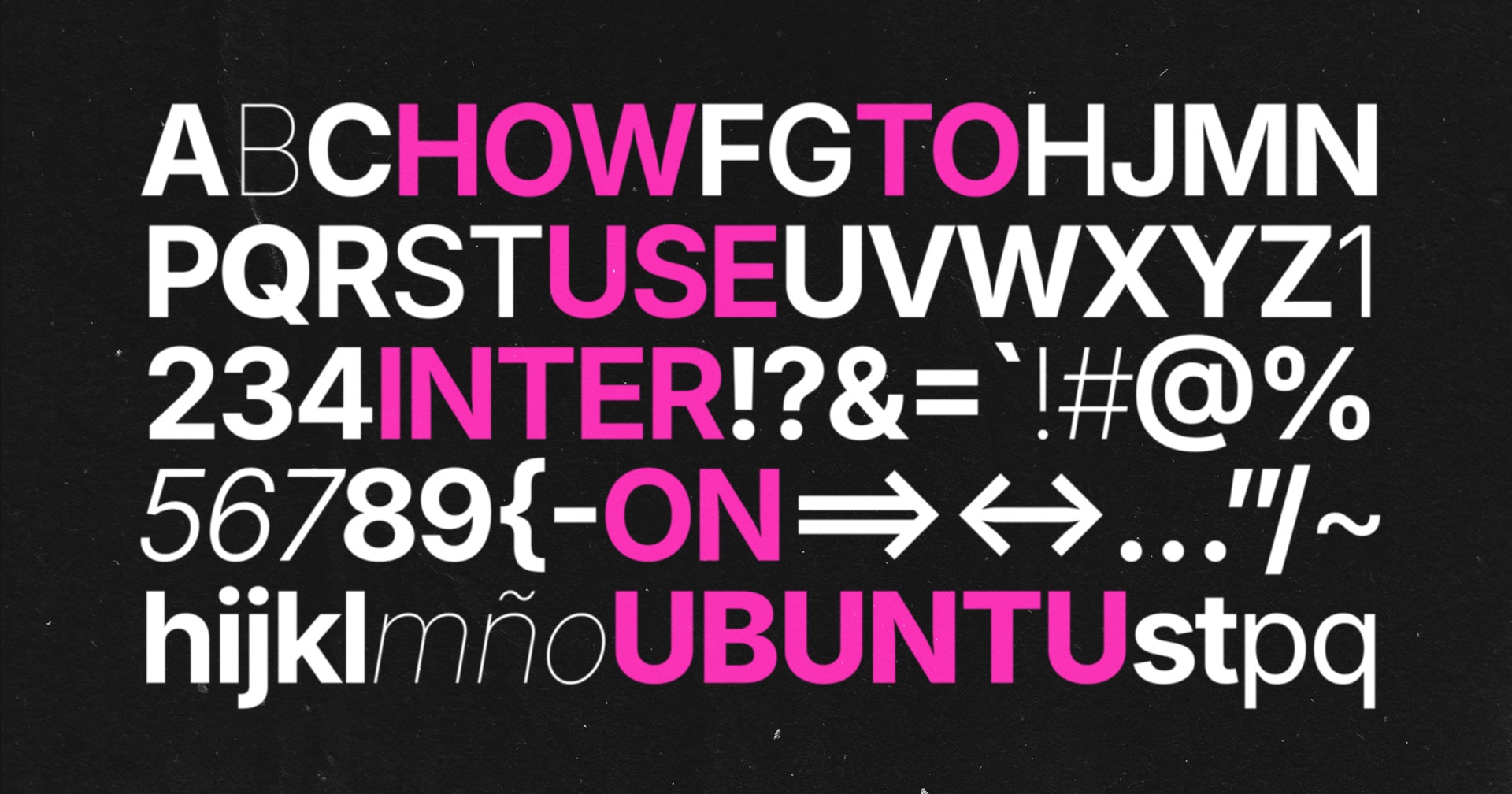
These types of apps became fairly irrelevant with the advent of Web Fonts and sites that already do all of this.
There’s Fontbase, Gnome’s Font Manager, KDE’s Font Viewer and FontForge that are still maintained.
The fact that you’re asking for whatever tool to not use something like QT or GTK is asking for the moon here. These types of applications you describe are generally packaged with a DE for this very use. I don’t think there’s a real use-case for someone to develop this independent of any DE, honestly. That’s what they’re most useful for.